
Cold, draughty windows in winter: how to tell if they lose heat and what really helps
Winters on the coast are mild, yet many Spanish homes feel cold inside: tiled floors, uninsulated walls and old single-glazed aluminium windows. Before replacing anything, you can find out in five minutes where the heat escapes. Sometimes adjusting the window or replacing the seals is enough; sometimes the frame itself is the problem and replacing it pays off.
Updated 22/10/2026
5 signs your windows are losing heat
- The glass is icy to the touch in the morning, much colder than the wall next to it.
- You feel air near the frame or where the two sashes meet, especially on windy days.
- The roller-shutter box is cold and air comes in through the strap slot. It is one of the most common leaks and one people rarely check.
- The glass is wet on the inside in the morning. It may be the window or the ventilation of the home; see window condensation.
- The heating is on but the room never really warms up, or the warmth disappears as soon as you switch it off.
The 5-minute test
- Paper test. Open the window, place a sheet of paper between the sash and the frame and close it. If the paper slides out without resistance, the seal is not pressing at that point. Repeat on all four sides.
- Candle or incense test. On a windy day, hold a candle or an incense stick near the frame, the shutter box and the joint between sashes. If the smoke moves, air is getting in. Never leave a flame near curtains.
- Hand test. Run your hand around the edge where the frame meets the wall. A cold draught there usually means the joint is not sealed.
- Look at the seals. If the rubber gaskets are hard, flattened, cracked or loose, they no longer seal.
- Look at the glass. Hold a lit lighter in front of the glass and you will see one reflection per pane: one means single glazing, two means double glazing.
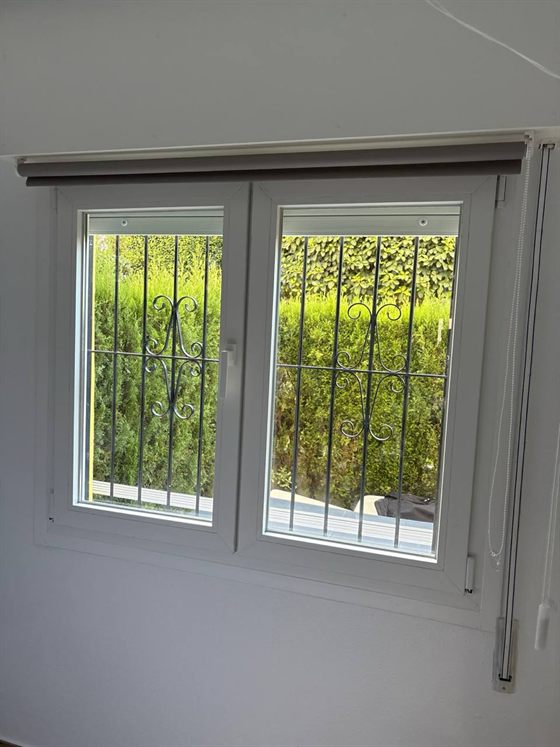
The U-value: the number that tells you how much heat escapes
Thermal transmittance, or U-value, measures how much heat passes through the window. It is given in W/m²K and the lower it is, the better the insulation. These are indicative values for the whole window (frame and glass):
| Window type | Approximate U-value |
|---|---|
| Aluminium without thermal break, single glazing | ≈ 5.5 – 6 |
| Aluminium without thermal break, double glazing | ≈ 3.5 – 4 |
| Thermal-break aluminium, double glazing | ≈ 1.8 – 2.8 |
| PVC with low-E double glazing | ≈ 1.2 – 1.6 |
For reference, the Spanish Building Code (CTE DB-HE) sets a maximum of 2.7 W/m²K in climate zone B for windows replaced during a renovation. That zone covers the Alicante coast (B4) and the Murcia coast (B3). An old single-glazed aluminium window lets through about twice that much heat. If you want to know why aluminium needs a thermal break, read thermal-break windows.
What really helps, from cheapest to most expensive
- Adjust the hardware. Over the years the sash drops and stops pressing against the frame. On tilt-and-turn windows the locking points can be adjusted in a few minutes and you notice the difference.
- Replace the seals. If the frame is fine but the gaskets are worn, new ones restore the seal without touching the window.
- Seal the perimeter. If air comes in between the frame and the wall, the gap needs foam and sealing inside and out.
- Insulate or replace the roller-shutter box. Old boxes are usually hollow and uninsulated. They can be insulated from inside or replaced with a new box.
- Replace only the glass. It makes sense if the frame is PVC or thermal-break aluminium. With aluminium without a thermal break, the frame stays cold and the gain is small.
- Replace the whole window. The option when the frame is old aluminium without a thermal break, when the window is warped, or when you want to fix insulation, noise and draughts in one go. In most cases there is no building work.
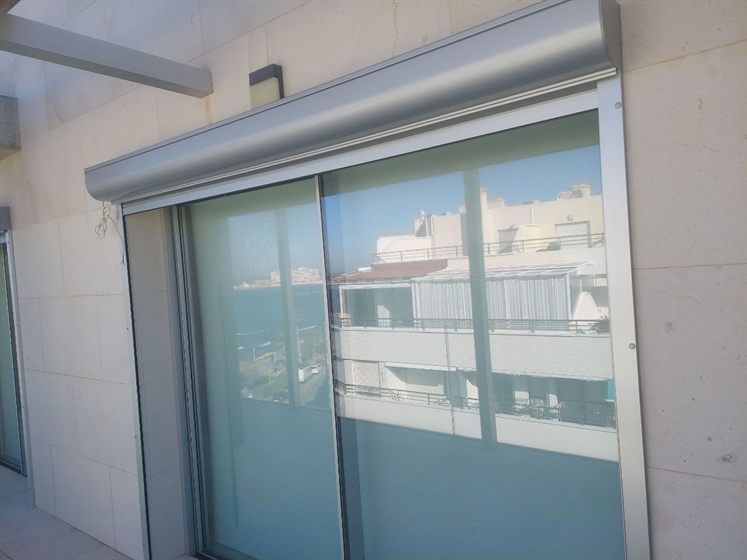
How much difference does it make on the coast?
With mild winters, the biggest change is comfort: no more draughts, no more icy glass, and rooms warm up faster with the same heating. In summer it works the other way round: the air conditioning no longer escapes through the window. Savings on the bill depend on the house, how many hours you heat and the rest of the insulation, so we do not quote generic figures.
If replacing the windows improves the energy efficiency of your home, you may be entitled to an income tax deduction.
How we help
- Free measuring visit within 30 km of the workshop; we tell you what can be fixed and what is worth replacing.
- We make PVC windows and thermal-break aluminium windows in our workshop in San Fulgencio and fit them with our own team.
- Fixed price after measuring. For an idea beforehand, see how much new windows cost or use the calculator.
- We work in Torrevieja, Guardamar, Orihuela Costa, Santa Pola and across the Vega Baja. We speak English.
Frequently asked questions
How do I know if my window is double glazed?
Hold a flame in front of the glass: you will see one reflection per pane. Two reflections (or four with laminated glass) mean double glazing. You can also look at the edge of the glass: between the two panes there is a cavity with a spacer bar.
What U-value should a new window have on the coast?
For a renovation in climate zone B, the CTE requires a maximum of 2.7 W/m²K. A PVC window with low-E double glazing or a well-specified thermal-break aluminium window is below that.
Is it worth replacing only the seals?
Yes, if the frame is in good condition and closes properly. If the window is old aluminium without a thermal break, new seals stop the draughts, but the frame and glass will still be cold.
Why does cold air come in through the roller shutter?
Old shutter boxes are hollow and connected to the outside. Air comes in through the strap slot and the joints of the cover. The box can be insulated from inside or replaced when the window is changed.
Does replacing windows involve building work?
In most cases no: we remove the old window, fit the new one in the same opening and finish it with trims. A normal living room is done in one day.
Do your windows let the cold in?
Get a price for new windows in a minute or send us photos on WhatsApp: we will tell you whether they can be fixed or are worth replacing.